
Understanding How Thermal Insulation Blankets Work
Thermal insulation blankets play a significant role in modern energy management, helping industries and homeowners reduce heat loss, improve efficiency, and maintain stable temperatures across a wide range of applications. As energy costs continue to rise and sustainability becomes a greater priority, interest in thermal insulation blankets has grown steadily across construction, manufacturing, automotive, and even aerospace sectors.
At their core, thermal insulation blankets are designed to act as a barrier to heat transfer. They help slow down the movement of thermal energy between hot and cold environments, which makes them essential for both energy conservation and temperature control. Whether used to retain heat in industrial systems or to protect sensitive equipment from extreme temperatures, thermal insulation blankets have become a practical and widely adopted solution.
Understanding how thermal insulation blankets work, what they are made of, and where they are used provides valuable insight into why they are so effective in improving energy efficiency and reducing operational costs.
What Are Thermal Insulation Blankets
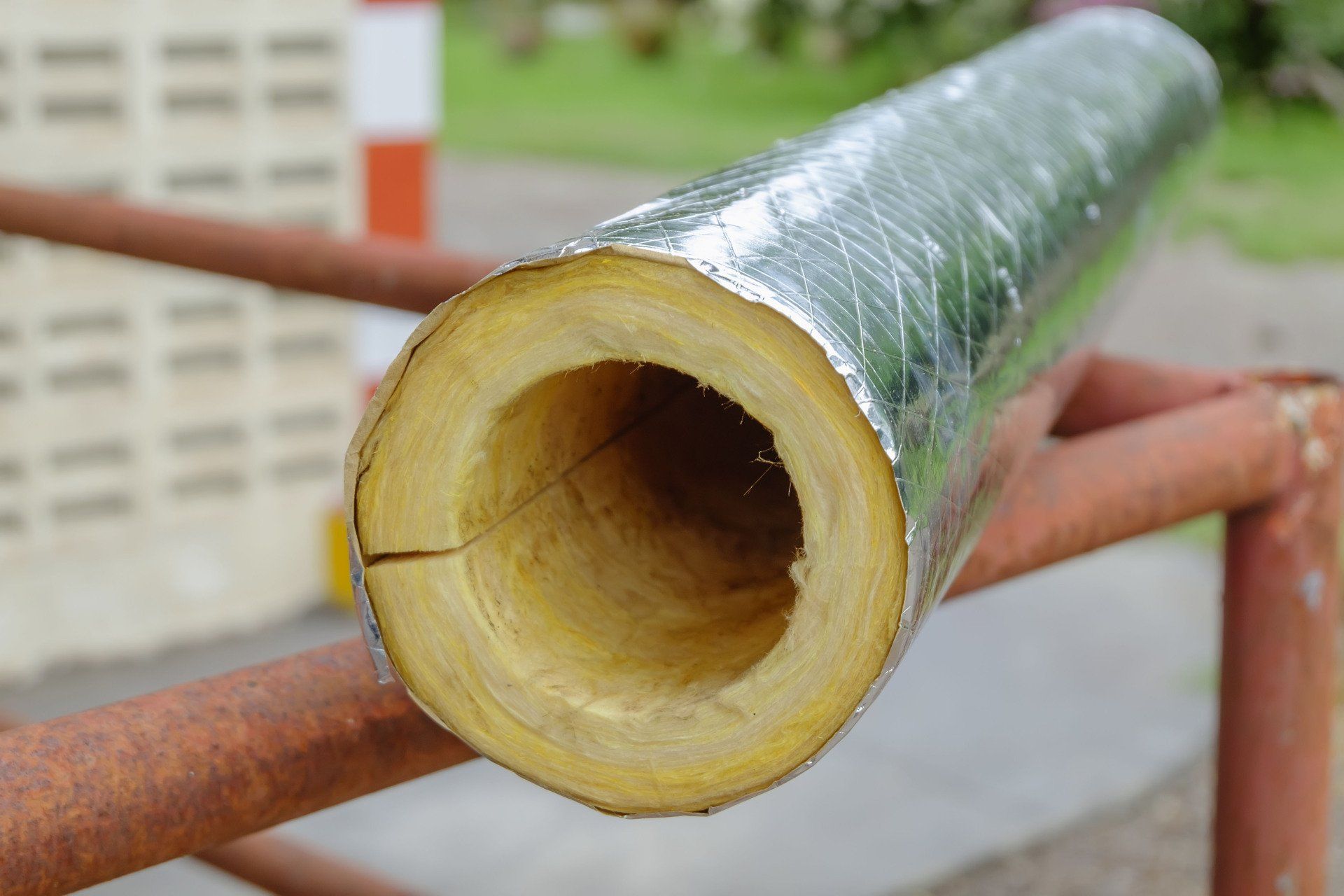
Thermal insulation blankets are flexible insulating materials designed to reduce the transfer of heat between surfaces or environments. They are typically manufactured using materials such as fiberglass, ceramic fibers, mineral wool, or advanced polymers, each offering different levels of thermal resistance depending on the application.
In many industrial settings, thermal insulation blankets are engineered to withstand extreme temperatures while maintaining structural integrity. This makes them suitable for wrapping pipes, boilers, turbines, and other heat-generating equipment. In residential and commercial contexts, they may be used in HVAC systems or building envelopes to improve energy efficiency.
The primary purpose of thermal insulation blankets is to minimize unwanted heat loss or gain. By creating a thermal barrier, they help systems maintain desired operating temperatures with less energy consumption. In some advanced designs, multi-layer construction is used to further enhance performance, combining reflective layers with insulating cores.
A key material often associated with high-performance insulation is polyurethane. According to GBD Magazine, polyurethane is one of the most effective thermal insulators, largely due to its low thermal conductivity and strong resistance to heat transfer. This characteristic is one reason why many modern thermal insulation blankets incorporate polyurethane-based components or foams in their design.
How Do Thermal Insulation Blankets Work
To understand how thermal insulation blankets function, it is important to consider the three primary modes of heat transfer: conduction, convection, and radiation. Thermal insulation blankets are engineered to disrupt one or more of these processes, thereby reducing overall heat flow.
Conduction occurs when heat moves through solid materials. Thermal insulation blankets reduce conduction by using materials with low thermal conductivity, such as fiberglass or polyurethane-based layers. These materials contain trapped air pockets or specialized molecular structures that slow the movement of heat energy.
Convection involves the movement of heat through fluids or gases. Many thermal insulation blankets are designed with dense fiber structures that limit air movement, reducing convective heat transfer. This is particularly important in industrial environments where hot gases or steam are present.
Radiation refers to heat transfer through electromagnetic waves. Some thermal insulation blankets include reflective surfaces, such as aluminum foil layers, which help reflect radiant heat away from the protected surface.
When these mechanisms are combined, thermal insulation blankets become highly effective at maintaining stable temperatures. For example, in industrial piping systems, they help keep fluids at the required temperature while minimizing energy loss to the surrounding environment. This not only improves efficiency but also reduces strain on heating and cooling systems.
In practical applications, thermal insulation blankets are often layered to enhance performance. The combination of reflective outer layers and insulating inner materials ensures that heat is both contained and redirected as needed.
What Are the Benefits of Using Thermal Insulation Blankets
The use of thermal insulation blankets provides a wide range of benefits across multiple industries. One of the most significant advantages is improved energy efficiency. By reducing heat loss or gain, systems require less energy to maintain optimal operating conditions. This leads to lower fuel or electricity consumption, which directly reduces operational costs.
Another key benefit of thermal insulation blankets is temperature stability. In industrial processes, maintaining consistent temperatures is essential for product quality and equipment performance. Thermal insulation blankets help ensure that fluctuations are minimized, which improves reliability and reduces downtime.
Safety is also an important factor. Surfaces exposed to extreme temperatures can pose burn hazards or increase the risk of equipment failure. Thermal insulation blankets help create a safer working environment by reducing surface temperatures and preventing accidental contact with hot components.
In addition, thermal insulation blankets contribute to environmental sustainability. By reducing energy consumption, they help lower greenhouse gas emissions associated with power generation. This makes them an important component in efforts to meet energy efficiency and carbon reduction goals.
Cost savings are another major advantage. Although the initial investment in thermal insulation blankets may vary depending on material and application, the long-term reduction in energy and maintenance costs often provides a strong return on investment.
Where Are Thermal Insulation Blankets Used Commonly
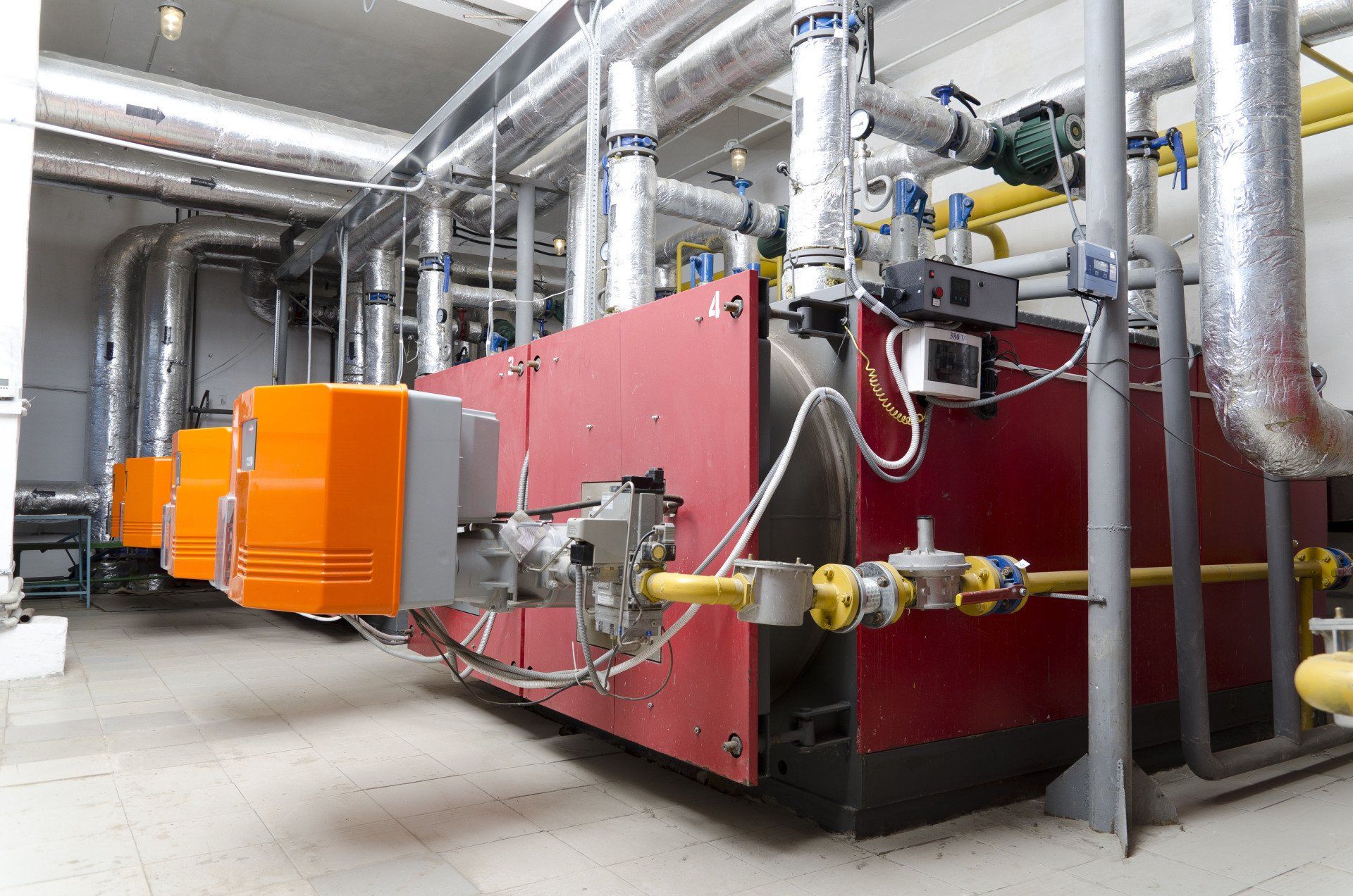
Thermal insulation blankets are used in a wide variety of industries due to their versatility and effectiveness. In the industrial sector, they are commonly applied to boilers, steam pipes, heat exchangers, and turbines. These systems often operate at high temperatures, making thermal insulation blankets essential for maintaining efficiency and safety.
In the construction industry, thermal insulation blankets are used within building envelopes to improve energy efficiency. They are often installed in walls, roofs, and HVAC systems to reduce heating and cooling demands. This helps buildings maintain comfortable indoor temperatures while reducing energy consumption.
The automotive and aerospace industries also rely on thermal insulation blankets. In vehicles and aircraft, they help manage heat generated by engines and exhaust systems while protecting sensitive components from extreme temperatures. This improves performance and extends the lifespan of critical systems.
Even in residential applications, thermal insulation blankets are becoming more common. Homeowners may use them in water heaters, attics, or duct systems to improve efficiency and reduce utility costs.
Across all these applications, thermal insulation blankets serve the same fundamental purpose: controlling heat transfer to improve performance and efficiency.
How to Choose the Right Thermal Insulation Blanket for Your Needs
Selecting the right thermal insulation blankets requires careful consideration of several factors, including material composition, thickness, temperature range, and application environment.
Material choice is one of the most important factors. Fiberglass and mineral wool are commonly used for general applications, while polyurethane-based options offer high thermal resistance and efficiency. In environments requiring extreme temperature control, ceramic fiber blankets may be more appropriate.
Thickness also plays a role in performance. Thicker thermal insulation blankets generally provide greater resistance to heat transfer, but they may also require more space for installation. Balancing performance with practical installation constraints is essential.
Temperature range is another critical consideration. Different thermal insulation blankets are designed to withstand specific temperature limits, so selecting a product that matches the operating environment is necessary for safety and effectiveness.
Environmental conditions should also be evaluated. Exposure to moisture, chemicals, or mechanical stress may require specialized coatings or reinforced materials.
Ultimately, choosing the right thermal insulation blankets involves matching performance requirements with real-world conditions. In many cases, consulting manufacturer specifications or industry guidelines can help ensure optimal selection.
Thermal insulation blankets are an essential component in modern energy management and temperature control systems. By reducing heat transfer, they improve efficiency, enhance safety, and contribute to long-term cost savings across a wide range of industries.
From industrial equipment to residential applications,
thermal insulation blankets continue to demonstrate their value as a practical and versatile solution. With advancements in materials such as polyurethane—recognized by GBD Magazine as one of the most effective thermal insulators—the performance of these systems continues to improve.
As energy efficiency becomes increasingly important, the role of thermal insulation blankets will only grow, making them a key technology in sustainable design and operation. If you're looking for thermal insulation blankets, reach out to the team at Flexin Manufacturing Inc today!
Share On: