Importance of a High-Quality Industrial Insulation Blanket
Industrial facilities face continuous thermal challenges, elevated energy consumption, and demanding safety standards across complex operating environments. Investing in a premium industrial insulation blanket delivers immediate thermal control while safeguarding personnel, preserving machinery, and containing operating overhead. By replacing rigid, permanent cladding with flexible thermal solutions, facility directors can achieve measurable reductions in operating expenses.
Maximizing Thermal Efficiency and Energy Conservation
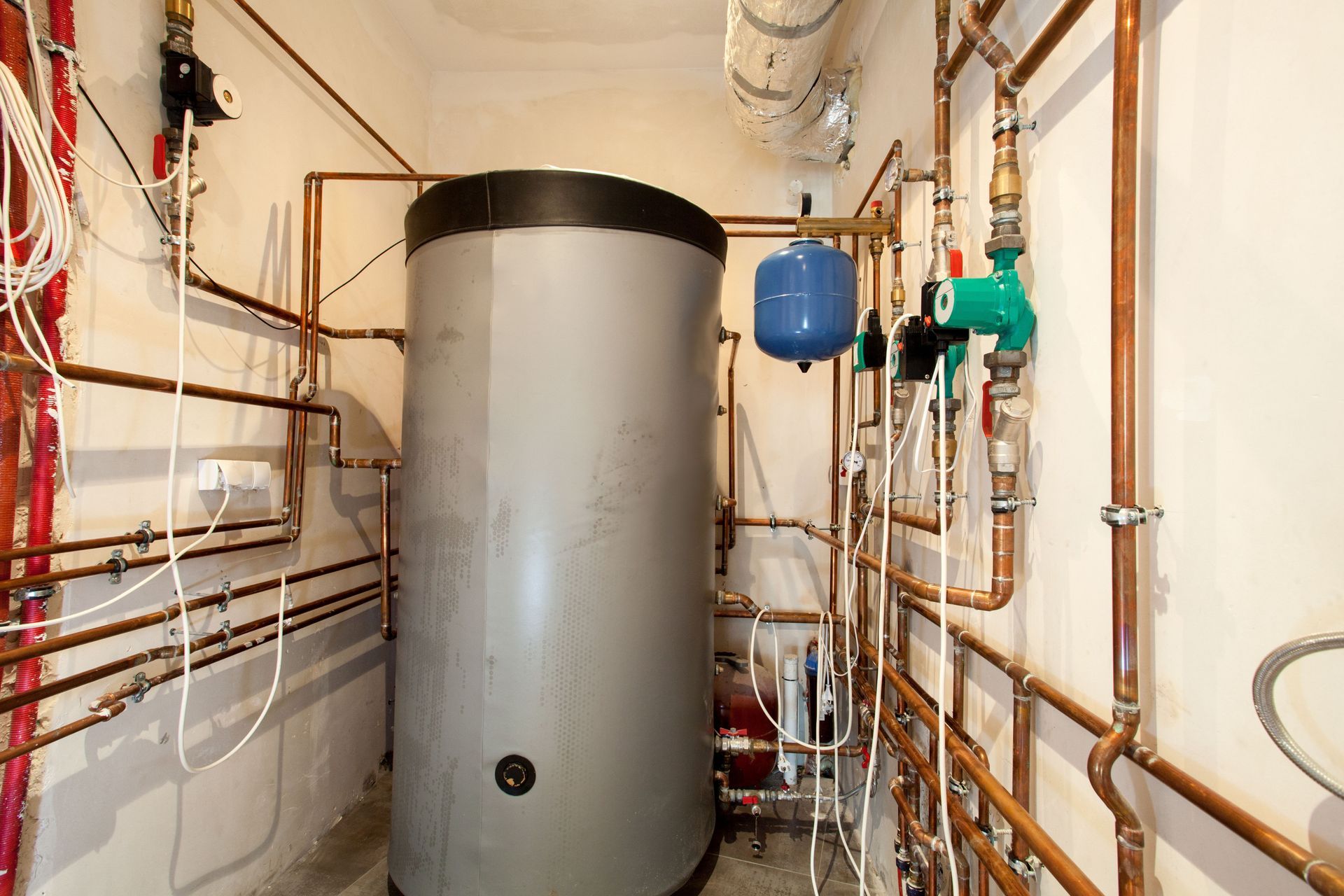
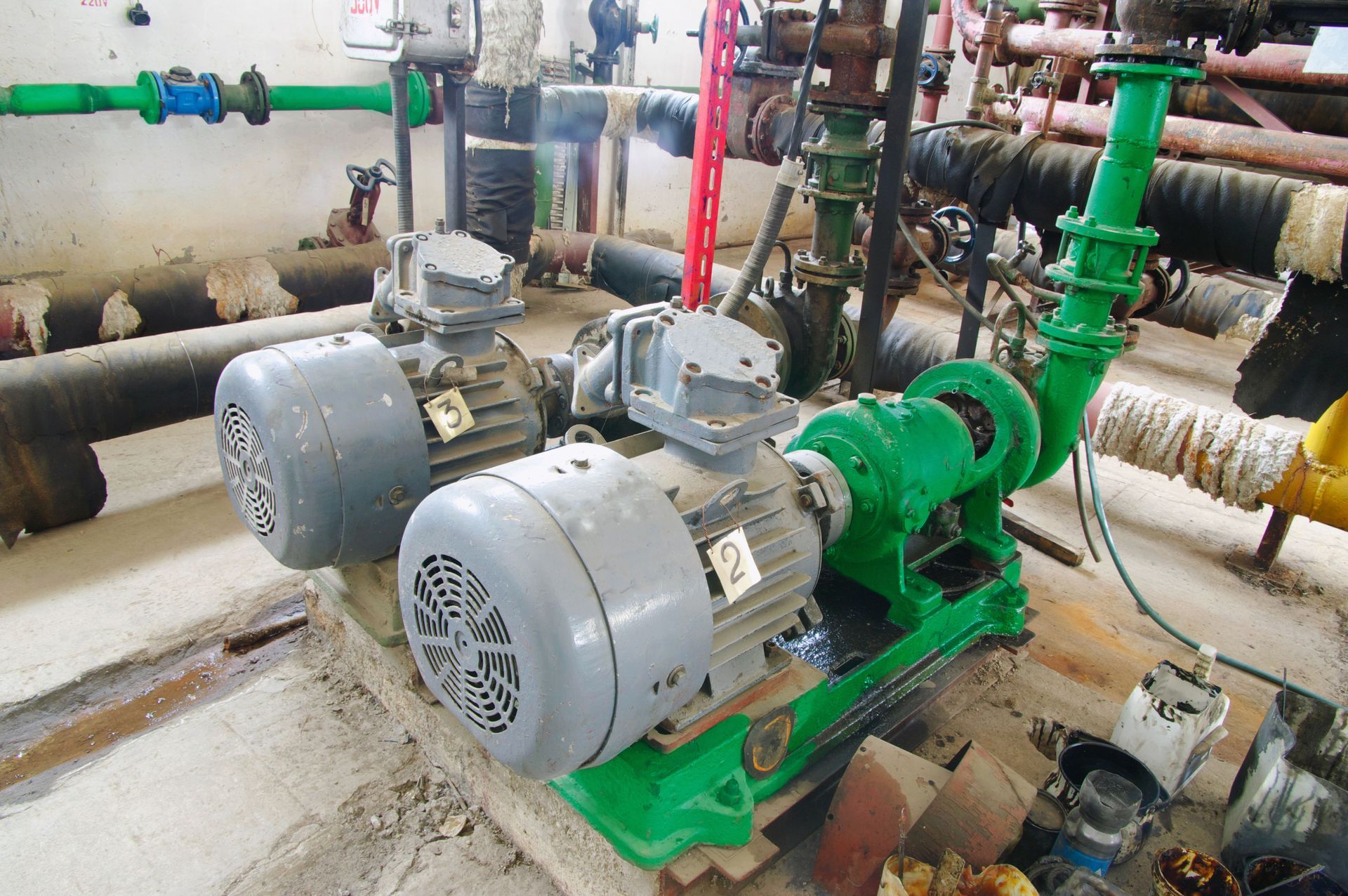
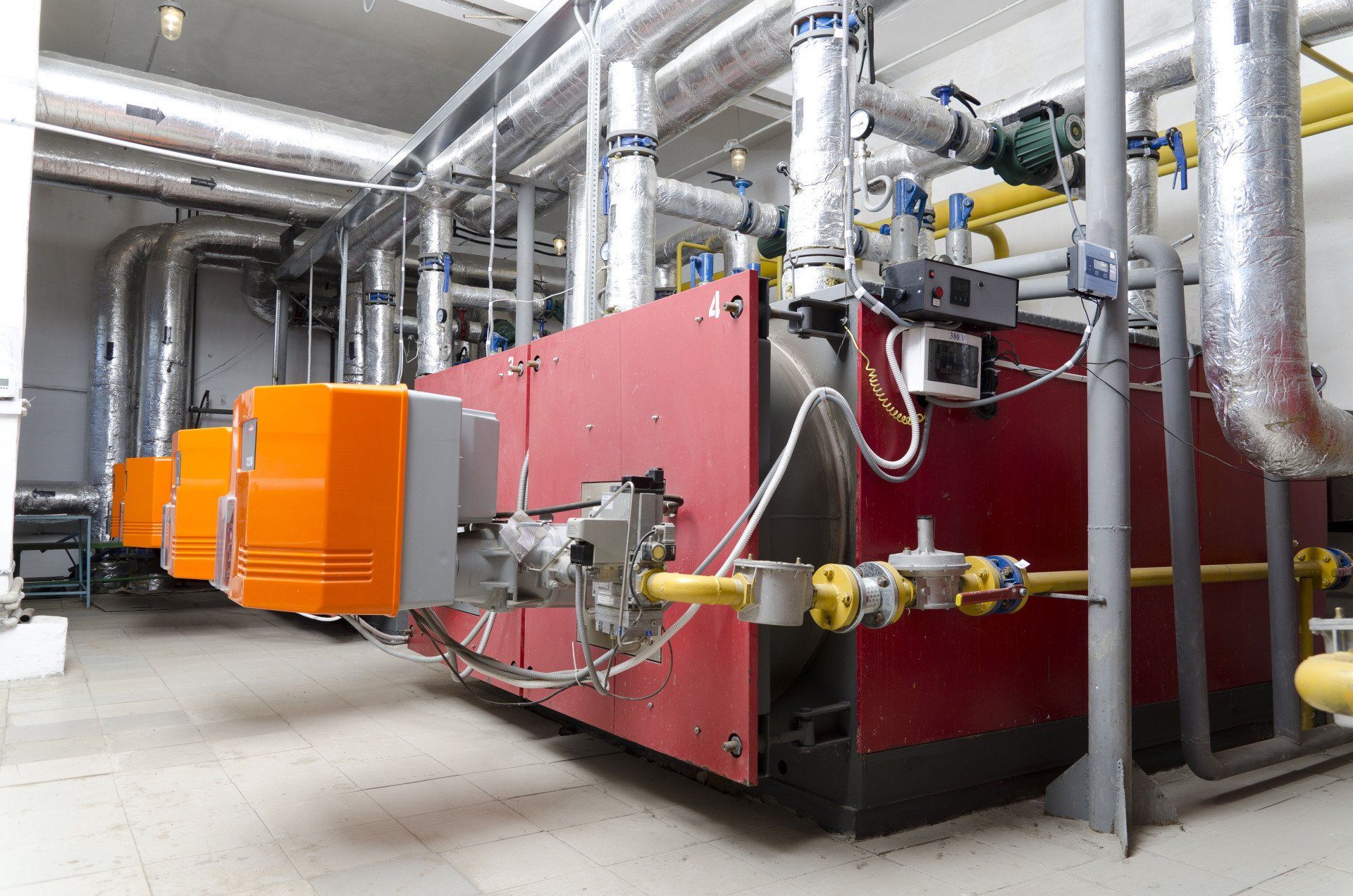
Heat loss from uninsulated piping, valves, manifolds, and turbines represents one of the largest ongoing financial drains in heavy processing plants. Bare metal surfaces allow valuable thermal energy to escape into ambient air, forcing boilers, heaters, and compressors to consume significantly more fuel and electricity. Applying a custom-engineered industrial insulation blanket seals vulnerable components and minimizes radiant, convective, and conductive heat transfer across the entire facility.
Maintaining precise operational heat reduces mechanical strain on heating equipment, minimizes thermal cycling wear, and optimizes chemical and manufacturing processes. When operating machinery sustains stable temperatures, facilities burn fewer resources, generate lower operating emissions, and lower utility bills across continuous production cycles. Over several years of continuous production, these cumulative efficiency gains generate substantial financial dividends, lower fuel costs, and ensure consistent thermodynamic performance throughout demanding plant environments.
Facilities that manage steam distribution networks or high-temperature processing loops benefit significantly from eliminating thermal bridges. Uninsulated flanges, valve bodies, and pump housings act as passive heat radiators that continuously leak thermal energy into surrounding rooms. This temperature drop reduces the load placed on supplementary facility cooling systems, creating secondary electrical savings and improving overall ventilation efficiency.
Enhancing Workplace Safety and Personnel Protection
Industrial processing environments feature exposed equipment that routinely reaches surface temperatures exceeding three hundred degrees Fahrenheit or higher. Such intense heat presents immediate workplace burn hazards to technicians, operators, and maintenance teams navigating tight equipment corridors. Installing a certified industrial insulation blanket dampens outer surface heat, keeping external touch points well below standard occupational safety thresholds:
- Preventing Severe Contact Burns: Multi-layered insulating barriers ensure that operating personnel who accidentally touch active valves, flanges, or engine exhausts remain protected from serious thermal injury.
- Reducing Ambient Workplace Temperatures: Trapping heat within processing equipment prevents facility mechanical rooms from turning into hazardous heat-stress environments for onsite workers.
- Mitigating Airborne Sound Levels: Heavy-density insulation materials absorb acoustic energy generated by high-velocity steam valves, exhaust ports, and compressors, lowering ambient decibel exposure across production floors.
Eliminating these thermal hazards ensures full compliance with federal and international industrial safety regulations while fostering a safer, more productive working environment. When workers feel confident that surrounding surfaces will not cause immediate contact injuries, overall morale improves, and daily operations proceed without unnecessary hesitation or protective bottlenecks.
In addition to preventing physical burns, advanced insulation covers provide substantial acoustic dampening along high-pressure fluid lines and turbomachinery. Excessive acoustic decibel exposure can impair workplace communication, increase cognitive fatigue, and induce permanent hearing loss among plant personnel.
Reducing Maintenance Downtime and Operating Expenses
Standard hard-cased insulation or permanent metal cladding systems require specialized sheet-metal contractors to demolish the covering whenever internal components require routine servicing. In contrast, removable and reusable insulation covers fasten with durable strapping, buckles, and hook-and-loop systems that staff can detach in minutes. Quick-release fasteners allow technicians to conduct routine inspections and emergency repairs without damaging the surrounding insulation materials.
Once maintenance personnel complete pump repairs or valve replacements, the same insulation cover straps right back into place without requiring replacement materials. Facilities that transition from rigid cladding to modular covers experience significantly less downtime during scheduled turnarounds and outages. Because plants purchase fewer replacement wraps and eliminate secondary re-cladding labor, the total investment pays for itself within three to six service cycles.
Furthermore, traditional insulation demolition generates substantial hazardous scrap waste, fibrous dust, and disposal expenses during major equipment overhauls. Discarding fiberglass batts and damaged aluminum jacketing fills plant dumpsters, consumes landfill space, and creates repetitive procurement costs. Removable blankets eliminate this recurring waste stream entirely because plant crews reinstall the exact same covers year after year. Facility accounting departments report that avoiding repetitive insulation re-jacketing contracts saves thousands of dollars annually across large manufacturing complexes.
Preventing Moisture Damage and Equipment Corrosion
Corrosion under insulation represents a silent, multi-billion-dollar hazard that degrades structural metals hidden beneath damp or deteriorated thermal barriers. When moisture penetrates traditional fibrous insulation or metal jackets, condensation pools against hot metal surfaces, creating an aggressive corrosive environment. According to This Old House, moisture accumulation allows microbial fungi and destructive mold colonies to establish on damp building materials within one to two days, triggering severe deterioration and environmental hazards beneath unventilated thermal covers.
In addition to biological hazards, trapped humidity accelerates localized pitting, oxidation, and wall thinning on expensive pipe assemblies and pressure vessels. A high-quality industrial insulation blanket utilizes hydrophobic outer fabrics, moisture-resistant inner batts, and secure silicone or PTFE coatings that repel external liquid intrusion. Removable systems also facilitate straightforward visual inspections, allowing operators to spot surface weeping or leaking gaskets before moisture inflicts irreversible structural damage. By eliminating moisture entrapment and providing quick access for routine visual monitoring, facilities can prevent catastrophic wall ruptures, unscheduled line shutdowns, and costly structural replacements.
When insulated process lines alternate between hot operating phases and ambient shutdowns, humidity naturally migrates toward cooler metal substrates. High-grade removable blankets incorporate specialized inner liners and venting eyelets that facilitate vapor evaporation rather than trapping stagnant moisture against vulnerable steel.
Implementing Heated Blankets for Freeze Protection
Maintaining temperature continuity becomes especially critical during extreme winter freezes and sub-zero weather events across outdoor industrial installations. Exposed instrumentation lines, manifold assemblies, and water bypass valves risk catastrophic freeze damage when unheated fluids expand within rigid piping. Custom electrical heated blankets integrate internal heating elements with durable insulation jackets, delivering controlled thermal energy directly to cold-sensitive equipment.
When manufacturing facilities rely on precise chemical formulations or liquid fuel delivery, localized freezing can trigger costly production shutdowns and emergency line repairs. By encasing vulnerable assemblies in regulated electrical blankets, operations teams sustain uninterrupted flow rates and protect valuable mechanical infrastructure against freeze-thaw cracking throughout the winter season.
Evaluating Key Features in Custom Insulation Covers
Not all thermal covers provide equal protection under severe operational conditions. Selecting an industrial insulation blanket manufactured with tailored engineering standards ensures reliable performance throughout years of rigorous service. Plant managers evaluating insulation specifications should prioritize several critical design criteria:
- Custom-Fit Fabrication: Industrial insulation covers crafted from precise component blueprints, CAD models, or physical field measurements fit tightly over complex contours, preventing thermal leakage gaps.
- Resilient Exterior Jackets: Heavyweight fiberglass fabrics impregnated with silicone, Teflon, or aluminized coatings resist chemical exposure, high heat, and harsh weather.
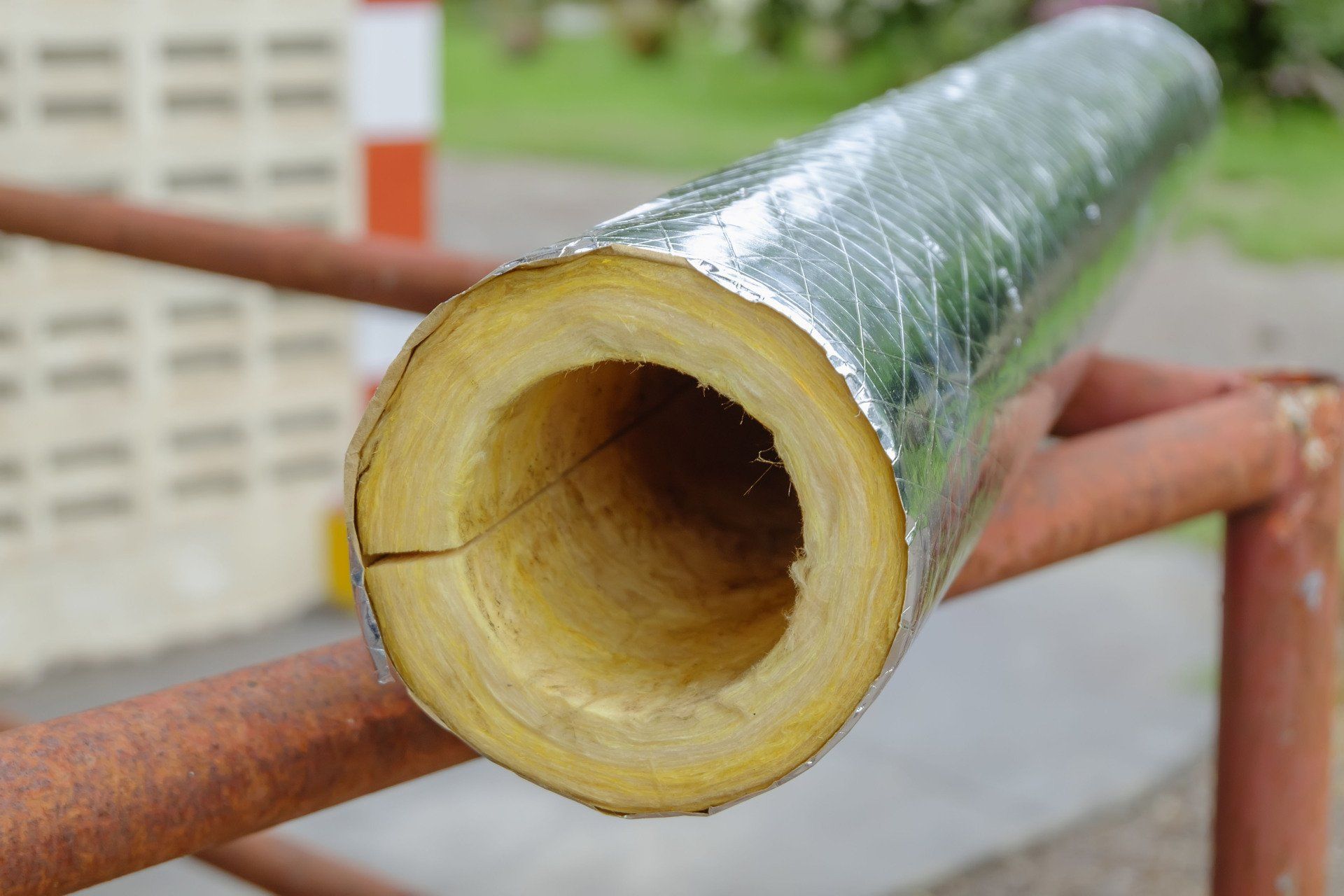
- High-Density Thermal Cores: Premium ceramic fiber, needled fiberglass, or aerogel cores provide maximum R-value thermal resistance within compact profiles.
- Durable Fastening Hardware: High-strength stainless steel lacing anchors, secure D-rings, and heavy-duty straps maintain physical tension through repeated removal and reinstallation cycles.
Investing in properly engineered thermal covers prevents frequent blanket sagging, fabric degradation, and premature insulation failures in demanding outdoor or indoor settings. Selecting custom covers with reinforced selvage edges and chemical-resistant stitching extends product working lifespans by up to five to seven years over off-the-shelf alternatives.
Partnering for Comprehensive Industrial Insulation Services
Managing industrial heat demands specialized manufacturing capabilities, advanced material selection, and rigorous technical craftsmanship. Flexin Manufacturing Inc delivers comprehensive in-house insulation services, producing removable and reusable thermal covers tailored to unique operational demands. Their technical specialists develop custom cover designs from client prints, engineering models, or existing machinery, and expert technicians are available for custom field design work. Whether supporting power generation, petrochemical processing, or heavy manufacturing, proper thermal barriers safeguard infrastructure and improve operational reliability. To optimize your facility's energy efficiency, streamline maintenance access, and protect your workforce, contact Flexin Manufacturing Inc.
Share On: