Benefits of Removable Insulation Blankets
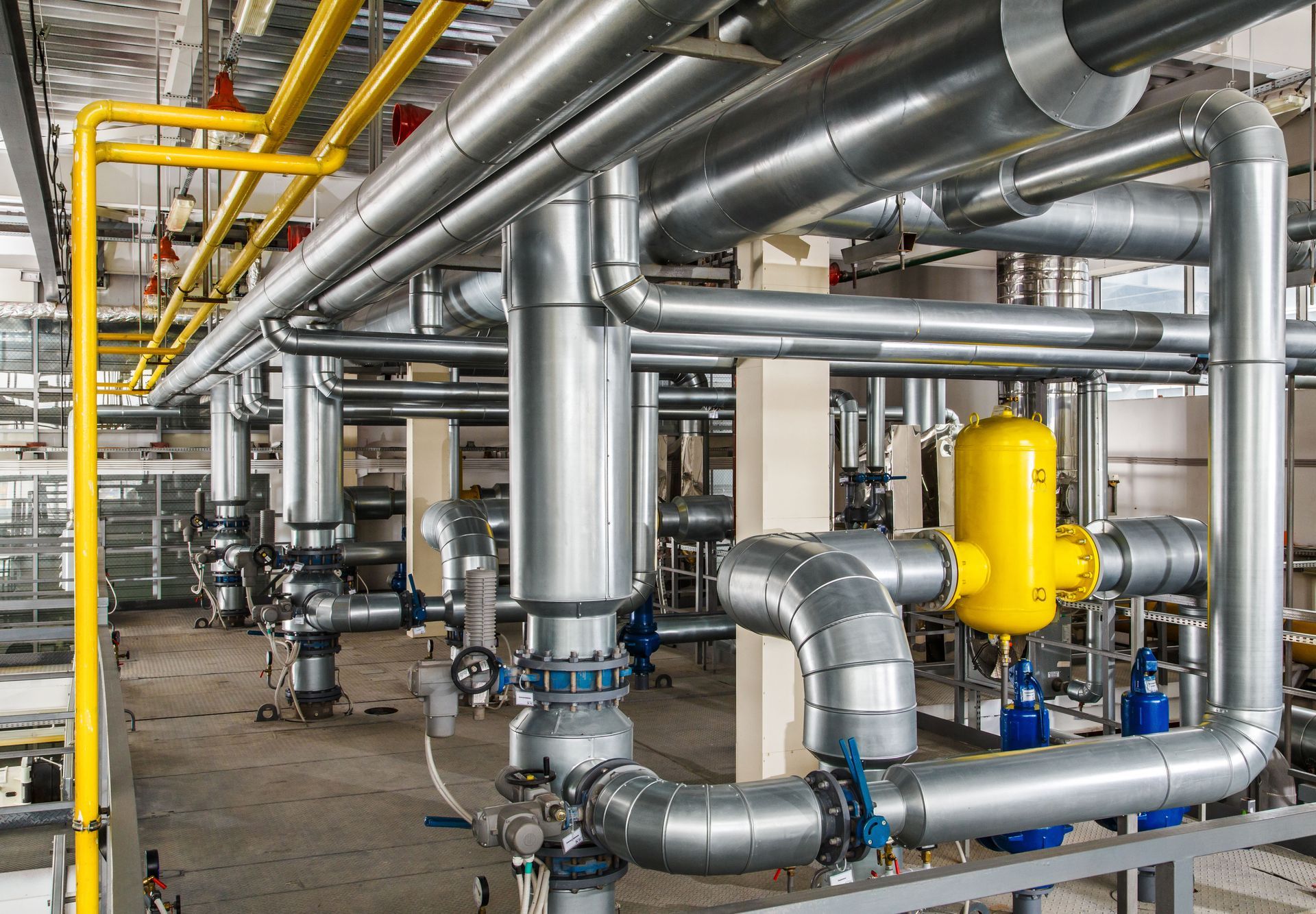
Industrial facilities manage intricate mechanical networks that demand rigorous thermal control, dependable protection, and steady economic performance. Within processing plants, manufacturing facilities, power stations, and institutional mechanical rooms, thermal regulation determines system stability and energy overhead. Complex equipment configurations such as valves, flanges, pumps, and expansion joints present severe challenges when using rigid cladding, which technicians must often tear away and scrap during routine inspections. Modern operations counter this persistent operational vulnerability by deploying advanced thermal covers that can be removed and replaced without compromising thermal integrity. Integrating engineered removable insulation blankets into facility infrastructure bridges the historical division between thermal efficiency and continuous mechanical accessibility.
Modern enterprise management demands that mechanical components deliver measurable returns across their entire operating lifecycle. In addition to preserving energy and lowering monthly utility expenses, reliable thermal containment shields personnel from hazardous operating temperatures and stabilizes operating conditions across complex machinery. High temperatures accelerate component wear and tear, and poorly insulated steam systems release tremendous amounts of heat into enclosed plant spaces, driving up ambient temperatures and placing severe burdens on cooling infrastructure.
Maximizing Energy Efficiency Across Industrial Mechanical Systems
Thermal management forms the baseline of energy conservation strategies across heavy industry and commercial facilities. When steam networks, processing vessels, and fluid conduits operate without adequate covers, radiant heat bleeds into surrounding spaces, forcing boilers, chillers, and heating units to consume excessive fuel to maintain target temperatures. Specially engineered removable insulation blankets resolve this issue by wrapping valves, pumps, heat exchangers, and pipe bends in dense insulation encased in durable, nonflammable composite fabrics. This physical boundary curtails thermal dissipation, ensuring that heating and cooling loops perform within precise engineering specifications with minimal auxiliary fuel input.
Stabilizing interior fluid temperatures ensures balanced hydraulic performance and prevents catastrophic phase changes within fluid transport systems. Chemical refineries, pharmaceutical processing facilities, and manufacturing plants depend on strict thermal consistency to prevent product degradation, polymerization, and viscosity shifts. When ambient temperatures fluctuate, uninsulated piping setups experience significant heat drops, forcing mechanical pumps to work harder and increasing component degradation. Installing custom-tailored industrial covers eliminates cold spots, preserves system pressure, and lowers the carbon footprint of production. Sustained heat retention directly lowers corporate utility billing while shielding internal components from rapid thermal cycling.
Advancing Corporate Sustainability and Environmental Compliance
Corporate sustainability has evolved from an optional marketing consideration into a core regulatory and financial necessity. Facilities across the globe face mounting pressure from governments, institutional investors, and global supply chain partners to document quantifiable reductions in energy consumption and greenhouse gas emissions. Industrial heat containment plays a direct role in these initiatives by eliminating unnecessary fuel burn in utility plants. By aligning with these sustainability goals, industries not only enhance their public image but also make a tangible impact on the environment. According to Grand View Research, the building and construction segment accounts for the largest blanket insulation market revenue share of 39.5%, emphasizing the trend toward sustainable building solutions. These blankets therefore serve as a practical step towards achieving both corporate and environmental sustainability objectives.
Traditional hard cladding materials produce enormous amounts of landfill waste because technicians routinely destroy metal jacketing and fibrous bats during valve rebuilds and mandatory inspections. This destructive cycle creates recurring material disposal charges and consumes considerable resources to continuously purchase replacement insulation. In contrast, modular removable insulation blankets endure multiple operational cycles without structural or thermal degradation. Their specialized construction utilizes durable outer fabrics like silicone-impregnated fiberglass, aramid textiles, and stainless steel mesh that withstand harsh chemical environments, ultraviolet exposure, and continuous heat. Choosing reusable thermal systems diverts thousands of pounds of industrial waste from regional landfills, assisting facilities in meeting strict international building benchmarks and circular economy goals.
Lowering Long-Term Operational and Maintenance Expenditures
Financial evaluations of plant efficiency projects demonstrate that upfront material acquisitions represent only a fraction of total lifecycle operational expenditures. Fixed insulation installations require specialized labor crews to install sheet metal sheathing, bands, and rigid fiberglass sections, a labor-intensive method that escalates installation expenses. During scheduled shutdowns or emergency repairs, crews must cut away that traditional cladding, which delays work crews and extends costly downtime periods. Specially designed removable insulation blankets mitigate this recurring financial drain through ergonomic closure systems that plant maintenance crews can detach and reinstall in minutes without specialized tools.
Eliminating extended downtime generates massive cost savings for critical processing industries where offline minutes translate into thousands of dollars in lost manufacturing output. Furthermore, reusable industrial covers permit rapid nondestructive testing, ultrasonic thickness gauging, and mechanical inspections, allowing maintenance teams to detect corrosion under insulation and flange leaks early. Catching small gasket failures before they cause extensive steam loss protects the capital health of the entire plant. Federal and regional government programs frequently incentivize these energy infrastructure improvements through targeted energy rebates and accelerated depreciation schedules. The combination of immediate utility reductions, reduced maintenance labor, and government incentives yields an outstanding return on investment that pays for the installation quickly.
Protecting Workforce Health and Elevating Plant Safety
Safeguarding workforce health remains the highest responsibility for plant management, requiring proactive measures to prevent severe occupational injuries. Industrial steam manifolds, steam traps, and exhaust lines frequently operate at temperatures that cause serious third-degree burns upon brief physical contact. Because rigid cladding is often discarded during valve maintenance, hot valves often remain bare, exposing technicians and operators to dangerous surfaces. Integrating precision-fitted removable insulation blankets establishes a durable, cool-touch exterior layer that brings equipment skin temperatures down below safe occupational safety thresholds.
Elevated ambient temperatures in enclosed industrial rooms cause dehydration, heat exhaustion, and impaired cognitive function among staff members. Containing radiant heat inside operating pipework reduces local room temperatures, establishing comfortable and safer work environments for ongoing maintenance operations. In addition to reducing burn hazards, these covers provide exceptional acoustic dampening around loud pressure-reducing stations, reciprocating compressors, and noisy fluid valves. Lowering workplace decibel levels protects employee hearing and simplifies verbal communication, reducing accident risks. The fire-retardant composition of these industrial textiles also resists ignition from accidental oil drips, reducing fire hazards and ensuring ongoing compliance with workplace safety codes.
Streamlining Facility Workflows Through Tailored Engineering Solutions
Industrial facilities rarely feature uniform pipe runs or standardized mechanical layouts; instead, they contain complex networks of valve manifolds, meters, flanged fittings, and intricate vessel heads. Generic, off-the-shelf insulation answers fail to accommodate tight spatial clearances, structural supports, and nearby electrical runs, leaving thermal gaps that drain efficiency. Utilizing custom-engineered removable insulation blankets resolves this geometric difficulty, as manufacturers scan and measure machinery to create custom covers that conform perfectly to complex shapes. Fastening options such as stainless steel lacing anchors, industrial straps, and heat-resistant hook-and-loop fasteners ensure tight, repeatable, and vibration-resistant installations.
Rapid application and removal protocols significantly reduce technician onboarding demands, as onsite operations personnel can easily manage routine cover detachment and reinstallation during standard servicing tasks. Because these covers do not demand specialized cutting, riveting, or metalworking skills, maintenance departments can execute timely interventions without having to schedule external mechanical contractors. This operational independence accelerates turnaround times and maintains thermal coverage across all plant components throughout the operating year. In demanding manufacturing and maritime environments, this ease of handling empowers internal teams to sustain top-tier thermal management practices across the entire facility.
Industrial thermal infrastructure requires proactive, durable solutions that harmonize energy conservation, operational agility, personnel protection, and financial performance. Moving away from rigid, single-use insulation toward modular thermal solutions eliminates needless landfill waste, decreases maintenance downtime, and yields rapid payback through significant utility reductions. Custom
removable insulation blankets give facilities the flexibility required to inspect and repair essential mechanical hardware while preserving thermal performance across demanding manufacturing operations.
Achieving peak efficiency and ensuring employee safety across your mechanical systems demands specialized engineering and proven fabrication. Upgrade your facility with industrial-grade insulation engineered to your exact operational specifications and built to endure the harshest operating conditions. Contact Flexin Manufacturing today to consult with our specialized engineers, schedule a complete facility thermal audit, and secure top-tier removable insulation systems designed to optimize your facility's long-term operating performance.
Share On: